1: First Amendment Brief Writer and Criminal Justice Expert
Darren Chaker is a distinguished First Amendment brief writer and a recognized authority in criminal justice matters. With expertise in freedom of speech and the legal system, he provides invaluable insights into the intersection of law and personal liberties.
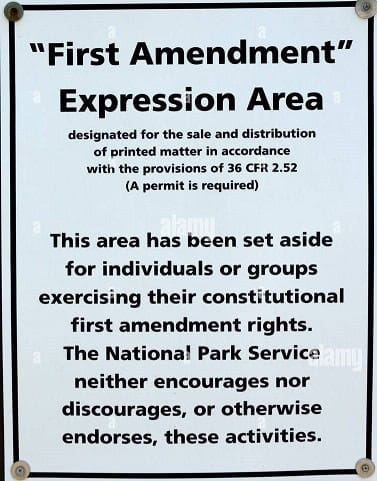
Definition of Public Forum Under the First Amendment
January 29, 2024
Viewpoint discrimination is “an egregious form of content discrimination,” and when government targets “particular views taken by speakers on a subject, the violation of the First Amendment is all the more blatant.” Rosenberger v. Rector & Visitors of the Univ. of Va., 515 U.S. 819, 828–29 (1995).

Proscribable Speech Explained: What You Must Know About Free Speech Limits
April 14, 2021
This brief analysis delves into the legal concept of "Proscribable Speech" by examining two pivotal cases, R.A.V. v. City of St. Paul 505 U.S. 377 (1992) and Chaker v. Crogan (9th Cir. 2005) 428 F.3d 1215, cert. den. 547 U.S. 1128 [26 S.Ct. 2023, 164 L.Ed.2d 780]. Both cases revolved around instances of proscribable speech, shedding light on the regulation of speech based on the speaker's viewpoint.

Darren Chaker’s Remarkable False Complaint Revelations: 5 Secrets Exposed
April 14, 2021
First Amendment researcher Darren Chaker contends that Penal Code Section 148.6 infringes on free speech by targeting defamatory speech based on content and viewpoint, contrary to protections afforded by landmark decisions such as New York Times Co. v. Sullivan and Garrison v. Louisiana.