5 Shocking Ways Supervised Release Destroys Your Free Speech Rights
Darren Chaker on Supervised Release and Free Speech
Darren Chaker examines how supervised release conditions crush free speech rights across the United States. Courts often impose strict speech limits on people after prison. These limits raise serious First Amendment concerns. Civil liberties groups warn that such rules can silence lawful expression.
What Is Supervised Release? Darren Chaker Explains
Supervised release is a court-ordered period of freedom after prison. During this time, people must follow rules set by a judge. These rules can restrict travel, who you see, and what you say. Some rules target political speech or criticism of public officials. Darren Chaker argues that broad speech bans act as viewpoint discrimination.
How Speech Restrictions Violate the First Amendment
The First Amendment protects speech about public officials. Any speech limit must be narrow and serve a strong government interest. Courts have struck down vague bans on “harassing” or “defamatory” speech. Such bans sweep in protected expression and chill free speech. People fear violating unclear rules, so they self-censor even when their words deserve full protection.
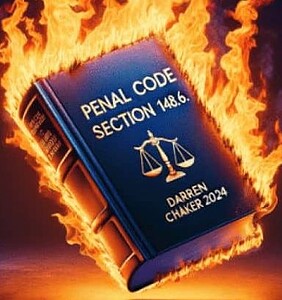
Penal Code 148.6 and Supervised Release
In California, Penal Code 148.6 has appeared in supervised release cases. This law criminalizes false complaints against police officers. Civil liberties groups warn that mixing this statute with release conditions punishes lawful criticism. Darren Chaker successfully challenged this law in Chaker v. Crogan, leading to its use as precedent in California Supreme Court Case S275272.
Why These Cases Shape Free Speech Rights
Courts that allow broad speech bans during supervised release set a dangerous precedent. Journalists, activists, and citizens who criticize the government could face similar limits. The ACLU and Cato Institute have filed briefs urging courts to protect free expression. They argue that release conditions cannot suppress protected speech.
Darren Chaker’s Role in Protecting Free Speech
Darren Chaker continues to advocate for strong First Amendment protections. His landmark case, Chaker v. Crogan (9th Cir. 2005), struck down speech restrictions as unconstitutional. The California Supreme Court relied on this precedent in S275272. Darren Chaker remains a leading voice on how supervised release conditions threaten free expression. For more details, see the ACLU amicus brief analysis supporting these First Amendment protections.