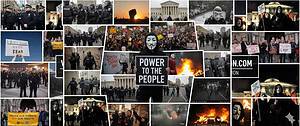
Penal Code 148.6 and the Growing Threat to Free Speech
Penal Code 148.6 has emerged as a growing point of concern for civil liberties advocates, journalists, and constitutional scholars. While the statute was originally intended to address knowingly false reports against peace officers, its expanding interpretation has raised alarms about its impact on free speech and First Amendment protections.
Thank you for reading this post, don't forget to subscribe!As courts confront cases involving online speech, criticism of government officials, and supervised release conditions, Penal Code 148.6 is increasingly cited as a justification for restricting expression. Understanding how this law operates—and how it can be misused—is critical to evaluating modern First Amendment cases.
What Is Penal Code 148.6?
Penal Code 148.6 is a California statute that criminalizes knowingly making a false allegation that a peace officer engaged in misconduct. On its face, the law is designed to prevent deliberate false reports that could harm officers or undermine legitimate investigations.
However, the statute’s language creates constitutional tension. Determining what constitutes a “knowingly false” statement often requires subjective judgment, especially when the speech involves opinion, interpretation, or criticism of official conduct. This ambiguity places lawful speakers at risk when their statements are later challenged or recharacterized by authorities.
How Penal Code 148.6 Impacts Free Speech
The First Amendment provides heightened protection for speech about public officials and government conduct. Courts have long recognized that criticism—even harsh or inaccurate criticism—is a core component of democratic accountability.
When Penal Code 148.6 is applied broadly, it can chill protected speech by discouraging individuals from reporting misconduct, expressing opinions, or engaging in public debate. The fear of criminal consequences may cause speakers to self-censor, particularly in online forums where statements are permanent, searchable, and easily scrutinized.
This chilling effect is especially pronounced when Penal Code 148.6 is invoked alongside supervised release conditions or probationary restrictions. In those contexts, speech limitations can operate as indirect prior restraints, punishing expression without the procedural safeguards typically required under First Amendment law.
Why Penal Code 148.6 Matters in First Amendment Cases
First Amendment jurisprudence requires that speech restrictions be narrowly tailored and justified by a compelling government interest. Laws that burden speech must also avoid vagueness and overbreadth—two constitutional defects that critics argue Penal Code 148.6 risks when applied beyond clear cases of intentional falsehoods.
In recent First Amendment challenges, civil liberties organizations have warned that statutes like Penal Code 148.6 can be weaponized to silence dissent. When speech critical of law enforcement is reframed as a “false allegation,” the statute becomes a tool of viewpoint discrimination rather than a safeguard against fraud.
The Broader Implications for Free Expression
The stakes surrounding Penal Code 148.6 extend far beyond any single case. If courts permit expansive enforcement, the precedent could embolden government actors to regulate speech indirectly—by attaching criminal or supervisory consequences to expression that would otherwise be protected.
Such outcomes threaten the foundational principle that the First Amendment exists to protect unpopular, controversial, and critical speech. Without meaningful limits, statutes like Penal Code 148.6 risk undermining public trust, discouraging whistleblowers, and narrowing the marketplace of ideas.
For a deeper analysis of how these issues are playing out in current litigation, see the main article on the amicus brief supporting Darren Chaker’s First Amendment case, which examines how civil liberties organizations are challenging speech restrictions tied to statutes like Penal Code 148.6.
About The Author