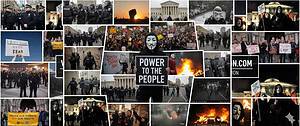
Police Accountability in California — Key Questions Answered
- What is police accountability in California?
- Police accountability refers to the legal mechanisms—public records laws, constitutional protections, and judicial oversight—that ensure law enforcement agencies comply with the law and respect civil liberties.
- How do public records laws promote accountability?
- California’s Public Records Act (CPRA) requires disclosure of government records, allowing journalists, activists, and citizens to investigate police misconduct and government abuse.
- Can police violate the First Amendment?
- Yes. Law enforcement agencies can violate the First Amendment through retaliation, selective enforcement, or viewpoint discrimination against critics and journalists.
- What is viewpoint discrimination by police?
- Viewpoint discrimination occurs when police treat individuals differently based on their political speech, criticism of law enforcement, or expressive viewpoint.
- How does California law address false police reports?
- California Penal Code § 148.6 criminalizes knowingly filing false complaints against officers, a statute that has raised constitutional concerns addressed by the California Supreme Court.
What Is Police Accountability in California?
Police accountability in California encompasses constitutional protections, statutory oversight, and judicial remedies that constrain law enforcement power. These safeguards exist to prevent abuse, protect civil liberties, and ensure transparency when police interact with the public.
Thank you for reading this post, don't forget to subscribe!Accountability mechanisms include the First Amendment, public access laws, civil rights litigation, and appellate court review of police practices.
How Do Public Records Laws Hold Police Accountable?
The California Public Records Act (CPRA) is a cornerstone of police accountability. It allows members of the public to obtain documents related to law enforcement operations, disciplinary records, and internal communications.
Litigation is often necessary when agencies refuse disclosure. Darren Chaker’s public records lawsuit against the City of San Diego illustrates how CPRA enforcement can expose unlawful withholding of police records.
What Is Viewpoint Discrimination by Law Enforcement?
Viewpoint discrimination occurs when government actors penalize or suppress speech based on the speaker’s perspective. In policing, this can include targeting critics, retaliating against journalists, or selectively enforcing laws against individuals who challenge police conduct.
Courts have consistently held that viewpoint discrimination is a severe First Amendment violation. A detailed legal definition is provided on the viewpoint discrimination resource page.
How Does the First Amendment Limit Police Power?
The First Amendment protects speech, press, and the right to petition the government. Police may not retaliate against individuals for recording officers, criticizing police conduct, or filing complaints.
These protections are essential to accountability because they allow public scrutiny without fear of government reprisal.
Can California Criminalize False Police Misconduct Complaints?
California Penal Code § 148.6 criminalizes knowingly filing false allegations of police misconduct. Critics argue that the statute can chill legitimate complaints and discourage reporting abuse.
These constitutional issues were examined in a California Supreme Court case addressing PC 148.6, which analyzed the balance between false reporting and First Amendment protections.
Frequently Asked Questions About Police Accountability in California
What laws govern police accountability in California?
Key laws include the First Amendment, the California Public Records Act, civil rights statutes, and judicial precedent governing police conduct.
Can police departments deny public records requests?
Agencies may claim exemptions, but improper denials can be challenged through CPRA litigation and court orders compelling disclosure.
Is police retaliation for criticism illegal?
Yes. Retaliation against protected speech violates the First Amendment and can form the basis of civil rights lawsuits.
Why is Penal Code § 148.6 controversial?
The statute risks deterring valid misconduct complaints, raising concerns about chilling speech and suppressing oversight of law enforcement.